
E-logistics: More Than Just Online Shipping
E-logistics: The Digital Transformation of Supply Chain Management | JPeF Consulting. The modern business landscape is defined by speed, efficiency, and interconnectedness. At the core of this operational evolution lies e-logistics, a paradigm shift from traditional logistics to a technology-driven, integrated approach that powers the e-commerce era and global supply chains. JPeF Consulting stands at the forefront of this transformation, guiding businesses through the complexities of implementing robust e-logistics solutions. This extensive article explores the multifaceted world of e-logistics, detailing its core components, benefits, challenges, and the strategic expertise offered by JPeF Consulting to optimize your operations.
Defining E-logistics: More Than Just Online Shipping
E-logistics, or electronic logistics, encompasses the entire spectrum of supply chain management activities that are enabled, managed, and optimized through information technology and digital platforms. It's not merely about the final delivery of a parcel ordered online; it's about the seamless flow of information and products from the point of origin to the final point of consumption, utilizing technology to enhance speed, visibility, and accuracy.
Key characteristics include:
- Real-time Information Exchange: Utilizing technologies like EDI (Electronic Data Interchange) and IoT (Internet of Things) to track shipments and manage inventory instantly.
- Automation: Automating processes from order entry to warehouse picking and shipping.
- Integration: Connecting all stakeholders—suppliers, manufacturers, logistics providers, and customers—into a unified system.
The Core Pillars of a Robust E-logistics Ecosystem
A successful e-logistics system rests on several critical pillars, each optimized through technology. JPeF Consulting specializes in optimizing these areas to deliver end-to-end efficiency.
2.1. Order Processing and Management
The digital journey begins with the customer's click. E-logistics demands sophisticated Order Management Systems (OMS) that instantly verify orders, check inventory availability, process payments, and trigger the warehouse fulfillment process. This rapid processing sets the stage for meeting modern customer expectations regarding delivery times.
2.2. Warehouse and Inventory Management
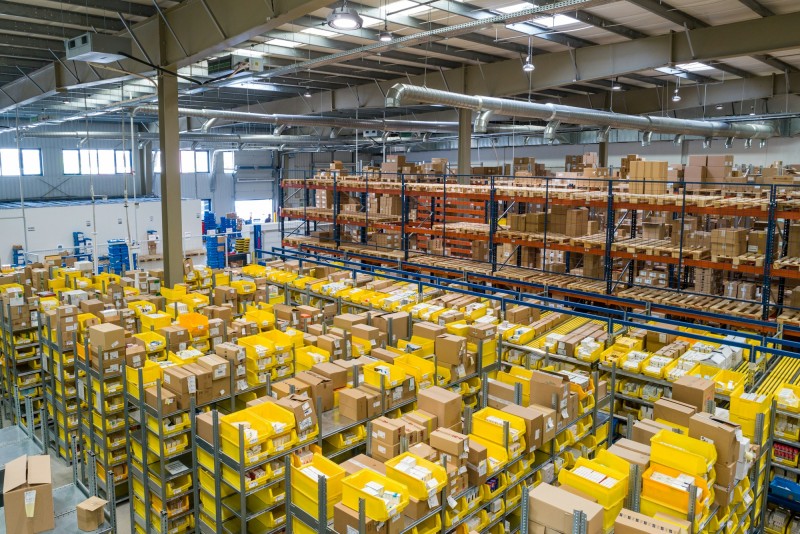
Modern warehouses are smart facilities. Utilizing Warehouse Management Systems (WMS), automation (robotics, automated guided vehicles), and real-time inventory tracking, e-logistics minimizes errors, optimizes storage space, and speeds up the picking and packing process. This is crucial for handling the high volume and variety of e-commerce orders.
2.3. Transportation and Last-Mile Delivery
Perhaps the most visible aspect of e-logistics is transportation management. This involves route optimization software, real-time GPS tracking, and efficient last-mile delivery solutions, which are essential for customer satisfaction.
2.4. Information and Data Management
The true power of e-logistics lies in data. Big data analytics and AI help predict demand, optimize routes, manage risks, and provide actionable insights, ensuring a proactive rather than reactive supply chain.
The Transformative Benefits of E-logistics
Implementing an e-logistics strategy offers substantial competitive advantages in a global market.
- Cost Reduction: Automation and optimization lead to significant savings in labor, fuel, and inventory holding costs.
- Increased Efficiency and Speed: Streamlined processes ensure faster order fulfillment and delivery times.
- Enhanced Customer Satisfaction: Real-time tracking, accurate delivery predictions, and efficient returns management (reverse logistics) build customer trust and loyalty.
- Greater Visibility and Transparency: Stakeholders gain end-to-end visibility of the supply chain, allowing for better decision-making and problem-solving.
- Scalability: E-logistics systems are designed to scale, allowing businesses to manage rapid growth, especially in peak seasons.
The Role of JPeF Consulting in E-logistics Optimization
Navigating the complexities of e-logistics requires expert guidance. JPeF Consulting: Logística, Supply Chain e Transporte | Fale com a Gente! is a leader in recruitment and consulting for the logistics, supply chain, and transport sectors, offering tailored solutions to meet unique business needs.
Our approach focuses on identifying the right talent and implementing the right strategies.
- Strategic Planning and Implementation: We help businesses design and implement an e-logistics strategy that aligns with their goals.
- Talent Acquisition: We specialize in finding experts in IT, operations, and data management who can drive e-logistics success. For Recrutamento para logística, compras e gestão de estoque, JPeF ensures you have the human capital to manage these advanced systems.
- Process Improvement: We analyze existing operations and implement best practices to improve efficiency. Our insights on Logística Industrial: A Pessoa Certa ensure operational excellence.
Future Trends and the Road Ahead for E-logistics
The future of e-logistics is centered on further integration of cutting-edge technologies.
- AI and Machine Learning: For advanced demand forecasting and predictive analytics.
- Blockchain: For enhanced transparency and security in transactions and tracking.
- Sustainable Logistics: Optimizing routes and using electric vehicles to reduce carbon footprints.
JPeF Consulting is committed to staying ahead of these trends, helping businesses remain competitive in the ever-evolving digital landscape.
E-logistics is no longer an optional upgrade; it is an essential component for survival and growth in the modern economy. By embracing technology and optimizing the supply chain, businesses can unlock immense value, reduce costs, and exceed customer expectations. JPeF Consultoria: Entendemos que cada empresa é única is your strategic partner in this journey, ensuring that your e-logistics operations are not just efficient, but world-class.