
15 Companies Shaping Brazilian Agribusiness
Brazil's agribusiness sector is a powerhouse, driving a significant portion of the national economy and establishing the country as a global leader in commodity exports like soybeans, sugar, and meat. The sector's resilience and dynamism are shaped by innovation, sustainability efforts, and a complex value chain involving both massive multinational corporations and robust domestic players. This detailed overview explores 15 key companies that dominate this vital landscape, examining their operations, impact, and the broader market dynamics that define Brazilian agriculture.
The sheer scale of Brazil's agricultural output is staggering. In 2024, the country's agribusiness exports surpassed USD 153 billion, accounting for nearly half of its total exports. This success is built upon a diverse range of companies operating across various segments, from massive animal protein producers to bioenergy pioneers and global grain traders.
Understanding the forces that shape this vital segment allows us to better grasp its impact on the global supply chain, job creation, and the Brazilian trade balance. The sector is constantly evolving, with new technologies and market demands pushing companies towards greater efficiency and sustainable practices. The need for specialized talent in this dynamic environment is paramount, a challenge often met with expert assistance. For instance, the role of a headhunter in agribusiness is crucial for aligning business objectives with the best talent acquisition strategies.
The Leading Players: 15 Companies Shaping Brazilian Agribusiness
The following companies represent a mix of the largest by revenue, influence, and sectoral dominance, based on recent industry reports like the Forbes Agro100 survey.
1. JBS
JBS stands as an absolute leader, not just in Brazil but globally, in the animal protein sector. Founded in 1953 in Anápolis, Goiás, JBS has grown into one of the world's largest food companies.
- Sector: Animal Protein (Beef, Pork, Poultry)
- Overview: With operations spanning over 20 countries and more than 400 production units, JBS reported net revenue of over R$360 billion in recent years. The company is an export behemoth, supplying markets worldwide, with China being a primary destination for Brazilian beef. Beyond fresh meat, JBS is involved in producing leather, biodiesel, and packaging.
- Impact: JBS's global reach means its strategies have a direct impact on international food prices and supply chains.
2. Raízen
A major player in the bioenergy sector, Raízen is a joint venture between Shell and Cosan, established in 2011. It is a leader in the production of sugar, ethanol, and bioenergy.
- Sector: Bioenergy (Sugar, Ethanol), Fuel Distribution
- Overview: Raízen's operations include 26 production plants and an extensive distribution network, supplying fuel to 7,000 Shell gas stations across Brazil. The company's focus on sustainable energy solutions positions it at the forefront of the global transition to renewable resources.
- Impact: Raízen is one of the world's top producers of ethanol and sugar, significantly influencing the global sweetener and biofuel markets.
3. Cargill
A major multinational present in Brazil since 1965, Cargill plays a crucial role in the country's grain trading and food processing industries.
- Sector: Grain Trading, Food Processing, Oils
- Overview: Operating in 17 Brazilian states, Cargill connects farmers with markets and customers with ingredients, aligning with its global objective to nourish the world responsibly. The company is well-known for popular household brands like Mazola oils and Elefante tomato paste.
- Impact: Cargill, along with other major traders like Bunge and COFCO, is part of global initiatives to ensure sustainable agricultural supply chains.
4. Ambev
While primarily known as a beverage company, Ambev is a significant player in the broader agribusiness value chain due to its immense demand for agricultural raw materials like barley.
- Sector: Food & Beverage (Indirect Agribusiness)
- Overview: Ambev has actively engaged in local partnerships to cultivate raw materials, including initiatives to produce beer from cassava. The company is a key example of how even large food and beverage conglomerates are deeply intertwined with the agricultural sector.
- Impact: Ambev's operations stimulate local agricultural economies through its extensive supply chain requirements.
5. Marfrig Global Foods
Another giant in animal protein, Marfrig is a leading producer and exporter of beef, particularly prominent in the South American market.
- Sector: Animal Protein (Beef)
- Overview: Marfrig boasts a significant presence in the U.S. market and has a substantial daily slaughter capacity. The company has also diversified into plant-based proteins through a partnership with ADM.
- Impact: Marfrig is a leader in beef exports from South America, contributing heavily to Brazil's strong meat export performance.
6. Bunge Alimentos S.A.
Originating as a grain trader in the Netherlands, Bunge has an early international presence and is a major force in Brazilian agribusiness.
- Sector: Agribusiness and Food Products (Grain Origination, Processing)
- Overview: Bunge's activities span the entire value chain, from sourcing grains from farmers to producing final food products for consumers. It is one of the essential companies involved in the robust soybean complex in Brazil, which remains a key export sector.
- Impact: The company is a crucial link in connecting Brazilian grain producers to global markets.
Additional major players in Brazil's agribusiness sector include:
- ADM (Archer Daniels Midland): A global leader in agricultural origination and processing, with significant operations in Brazil focusing on soybean and corn processing and biofuels.
- Minerva Foods: A key player focusing on beef exports across South America.
- Amaggi: One of Brazil's largest private agribusiness companies, involved in the soy industry, logistics, and energy.
- SLC Agrícola: A major Brazilian producer of agricultural commodities using modern farming techniques.
- COFCO International: The agribusiness arm of China's COFCO Group, a significant global commodity trader with a presence in Brazil.
- Suzano: A global leader in the pulp and paper industry, considered part of agribusiness.
- Tereos: A major force in the sugar, ethanol, and starch markets in Brazil.
- BRF S.A.: A major food company specializing in poultry and pork.
- Cosan: A conglomerate involved in bioenergy, logistics, and infrastructure, with stakes in Raízen and Rumo.
The Broader Context: Market Dynamics and Talent Acquisition
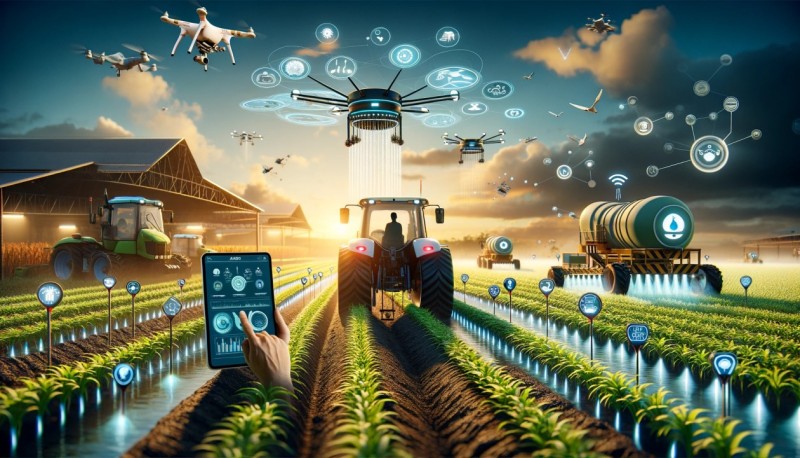
The success of these companies is driven by Brazil's natural resources, climate, advanced agricultural technology like Agriculture 4.0, and a skilled workforce. The dynamic agroindustry demands specialized professionals, making expert recruitment solutions vital. JPeF Consultoria offers headhunting services to help companies secure the necessary leadership and specialists.
The Role of JPeF Consultoria in Agribusiness
A specialized human resources consultancy like JPeF Consultoria is crucial in an industry requiring a mix of scientific knowledge, field experience, and business acumen.
JPeF Consultoria's Recruitment and Selection for Agribusiness focuses on evaluating both technical skills and cultural fit. Their team understands the sector's specific needs, from executive roles at major corporations to technical field positions.
Their expertise spans the entire agroindustry value chain, assisting businesses in finding the right talent. JPeF Consultoria provides consulting for many leading agribusiness companies in Brazil.
For further context on the sector, articles like "What is agroindustry and what are its impacts?" are insightful. Understanding professions linked to agriculture also highlights the diverse career paths available.
Brazil's agricultural sector is a thriving environment characterized by innovation, scale, and global reach. The companies discussed are key drivers of Brazil's position as an agribusiness superpower. Their continued growth, supported by technology and specialized human capital, ensures Brazil's significant role in global food supply.
As the industry adapts to challenges like sustainability and technological integration, expert human resources guidance becomes increasingly important. The work of firms like JPeF Consultoria in agroindustry headhunting and recruitment is essential for connecting talent with opportunities in this vital sector.